Shopify stores in Japanese
4 109 Shopify stores with a Japanese storefront — about 0.8% of all stores with a detected language. Ordered by estimated traffic rank; open any store to see its theme, country and currency.
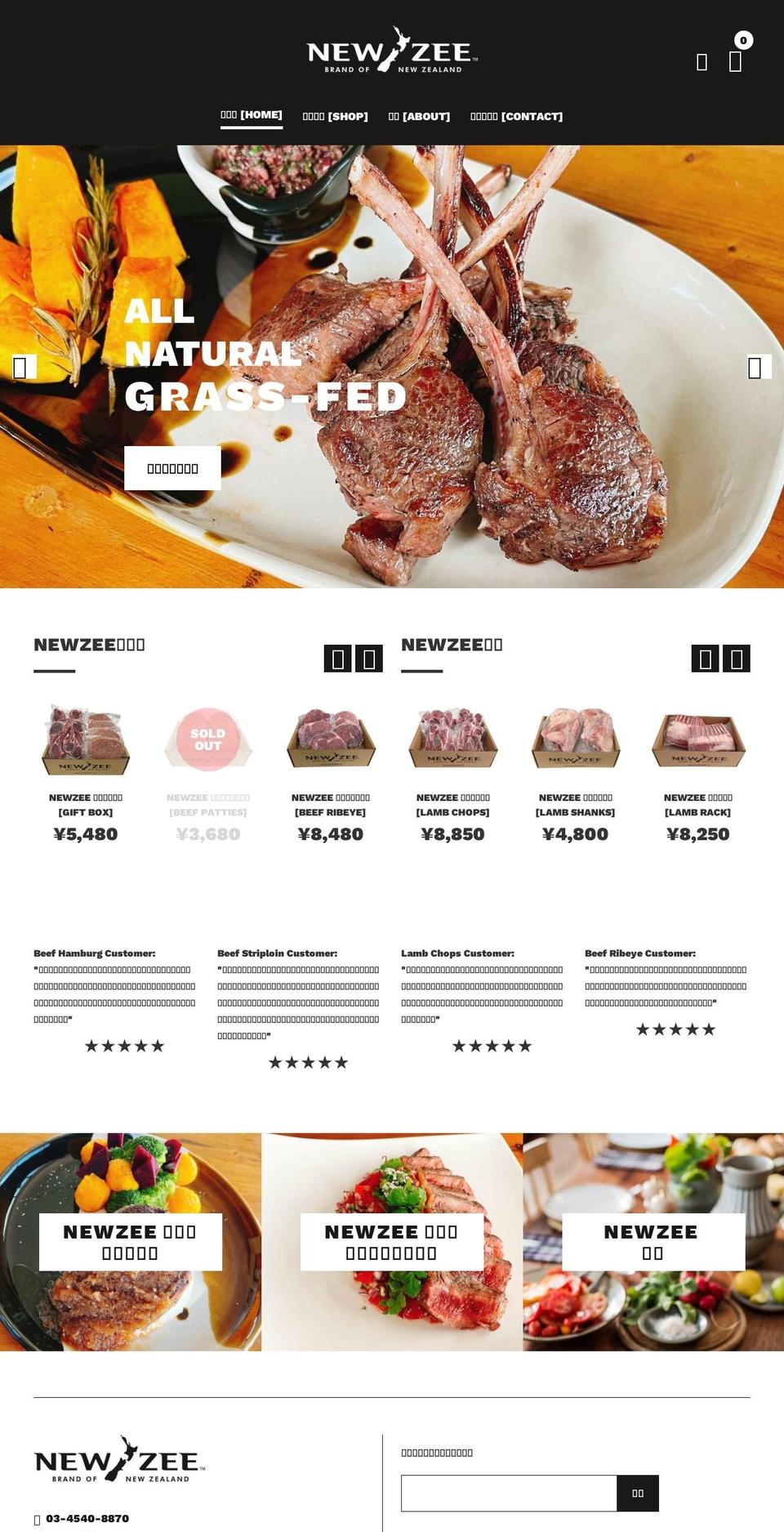
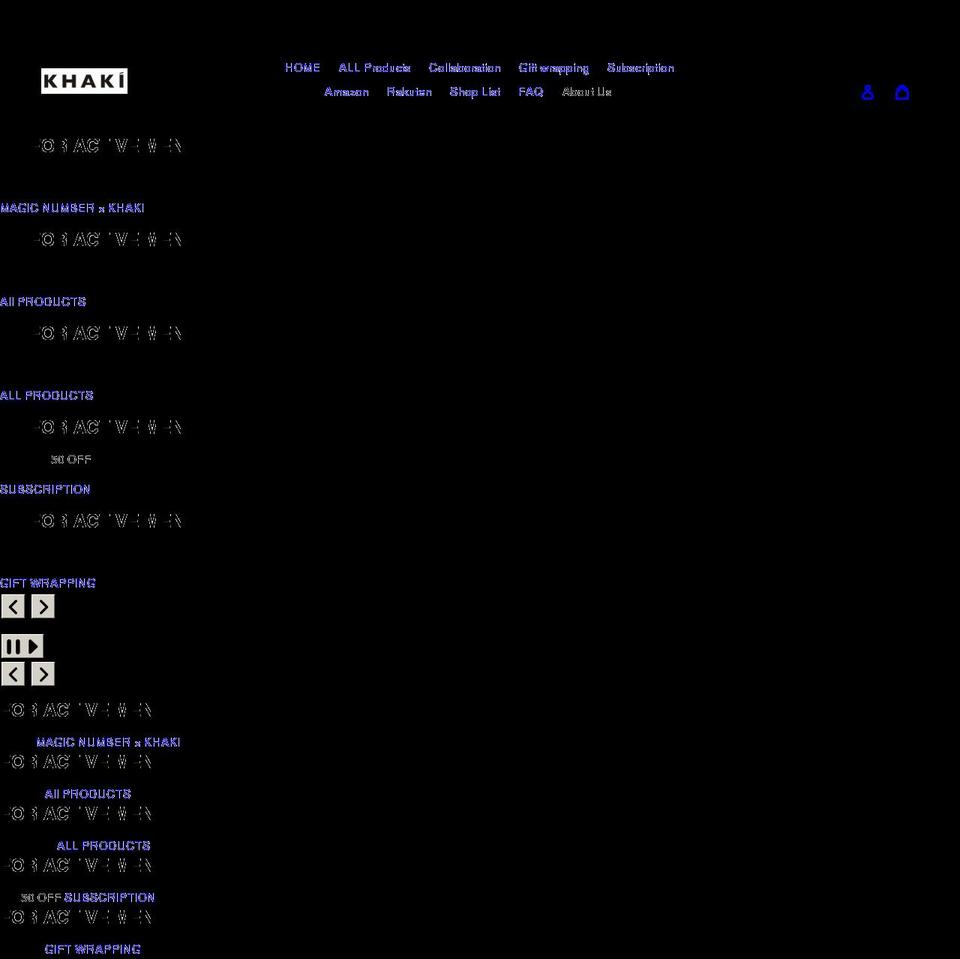

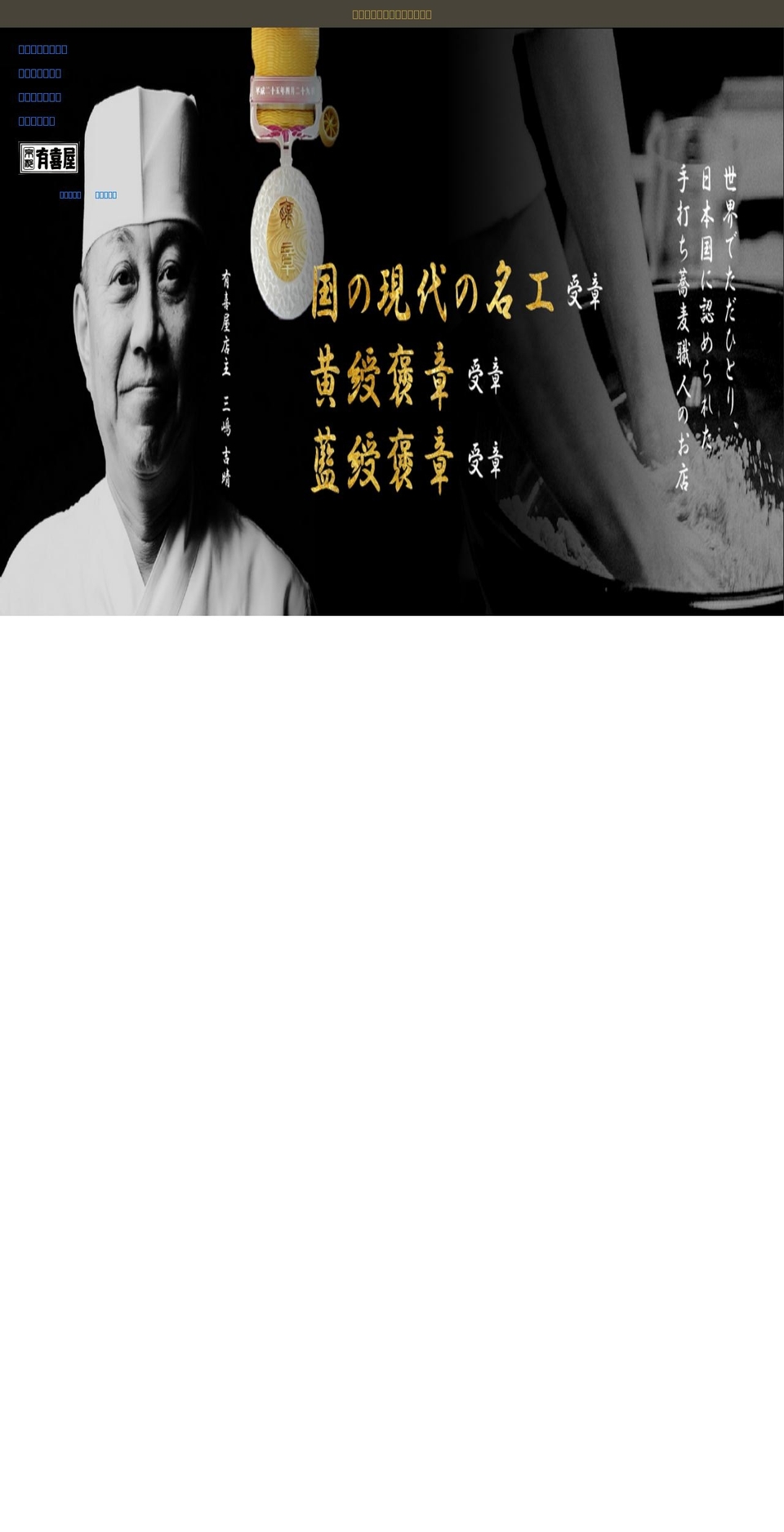

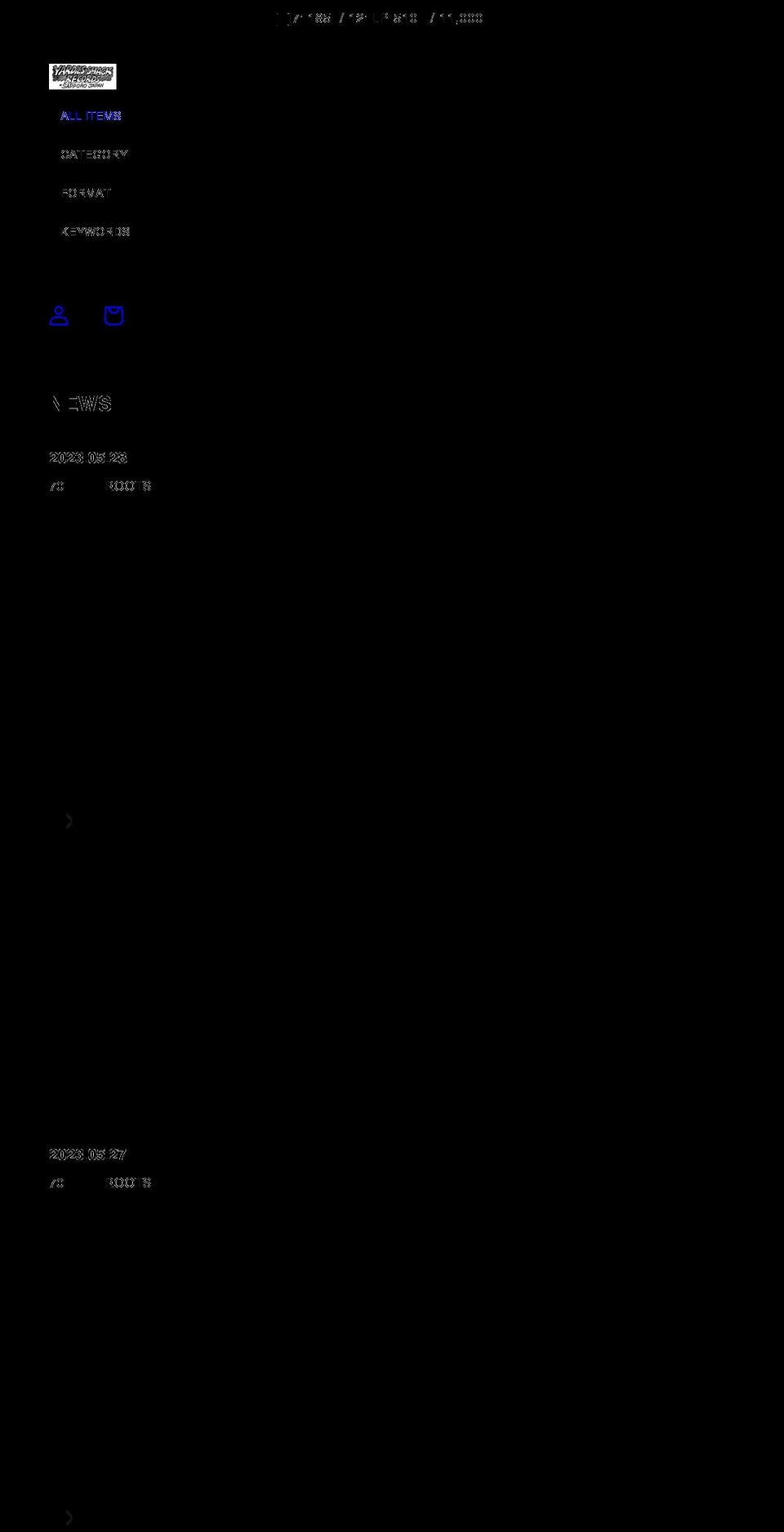


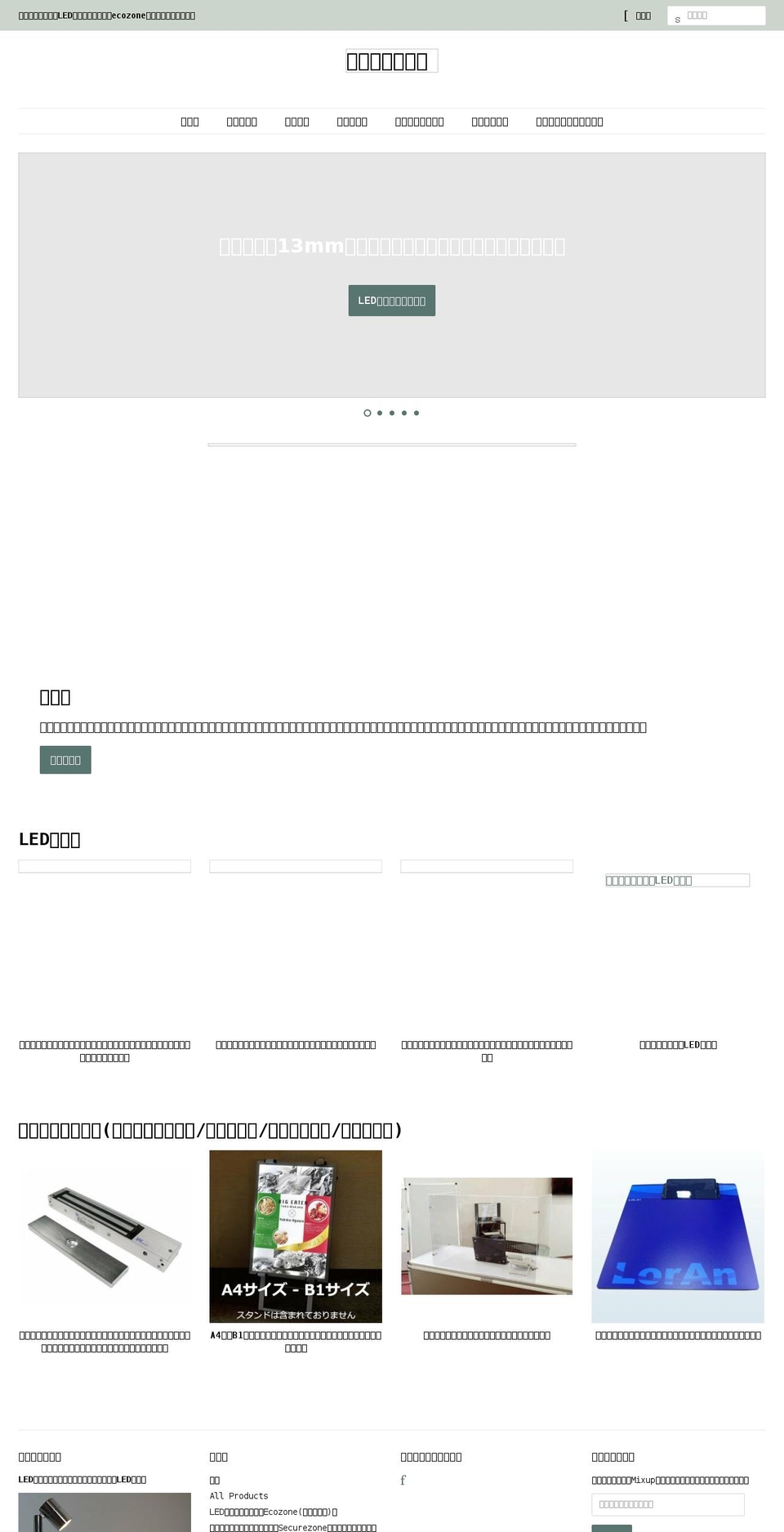

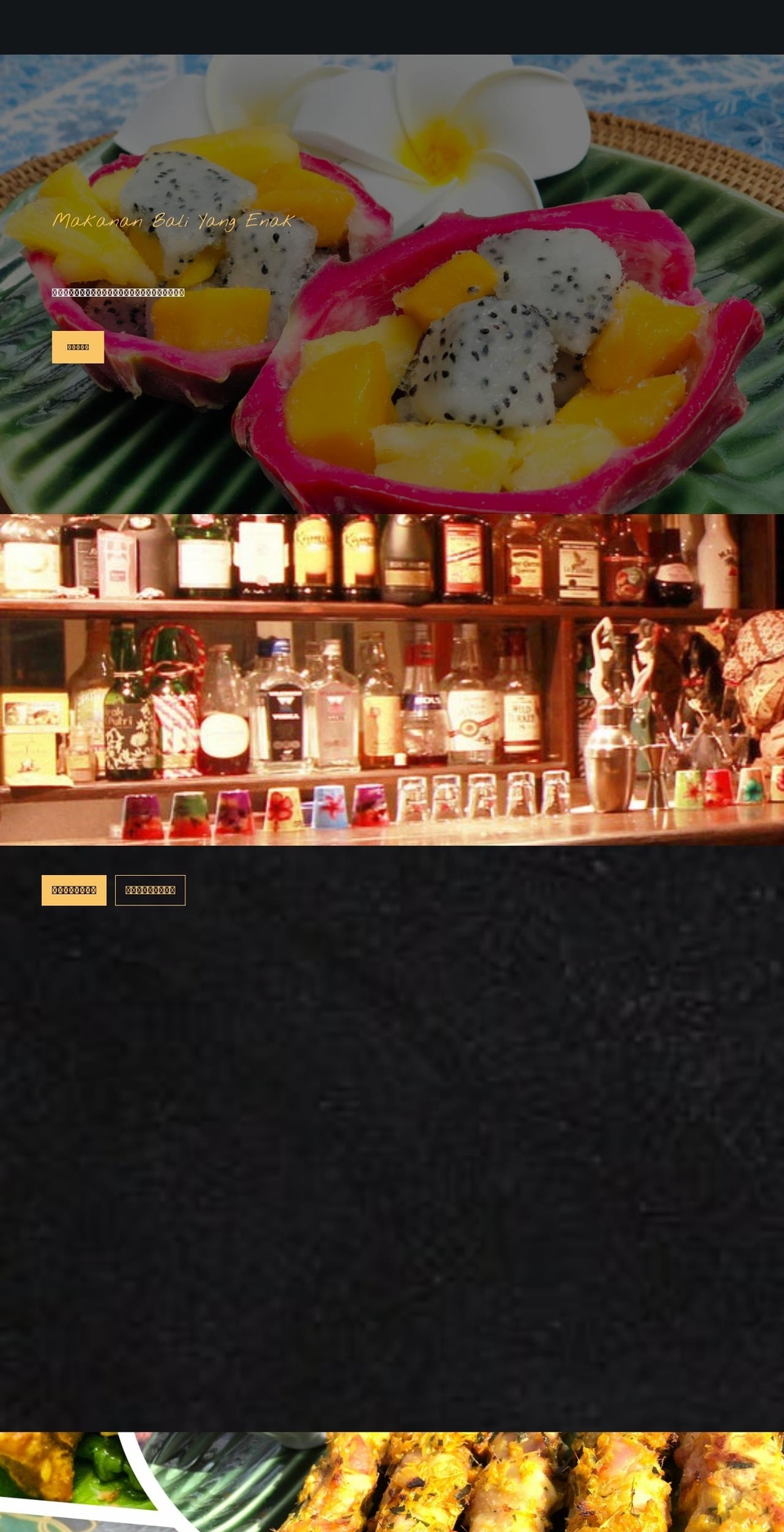
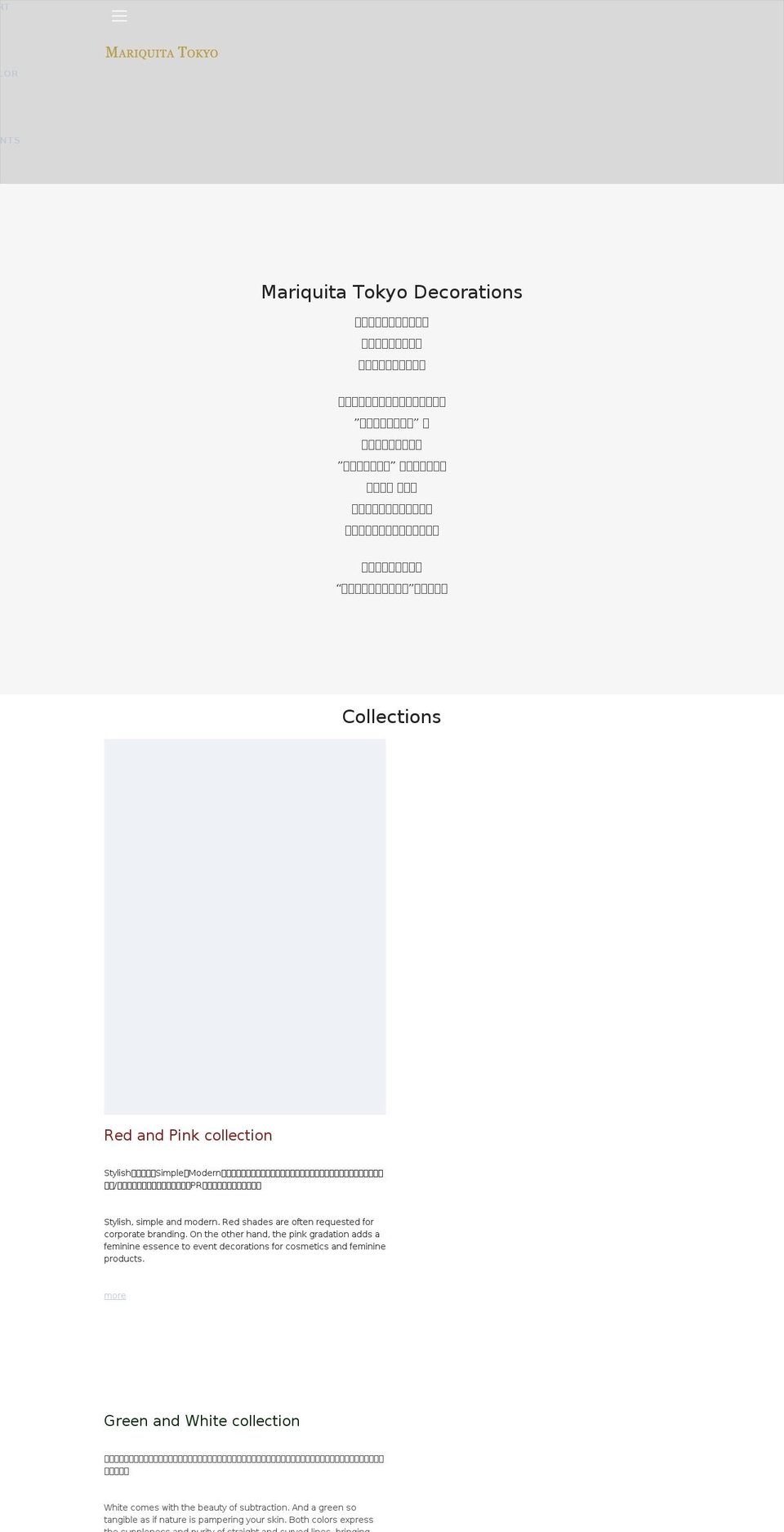
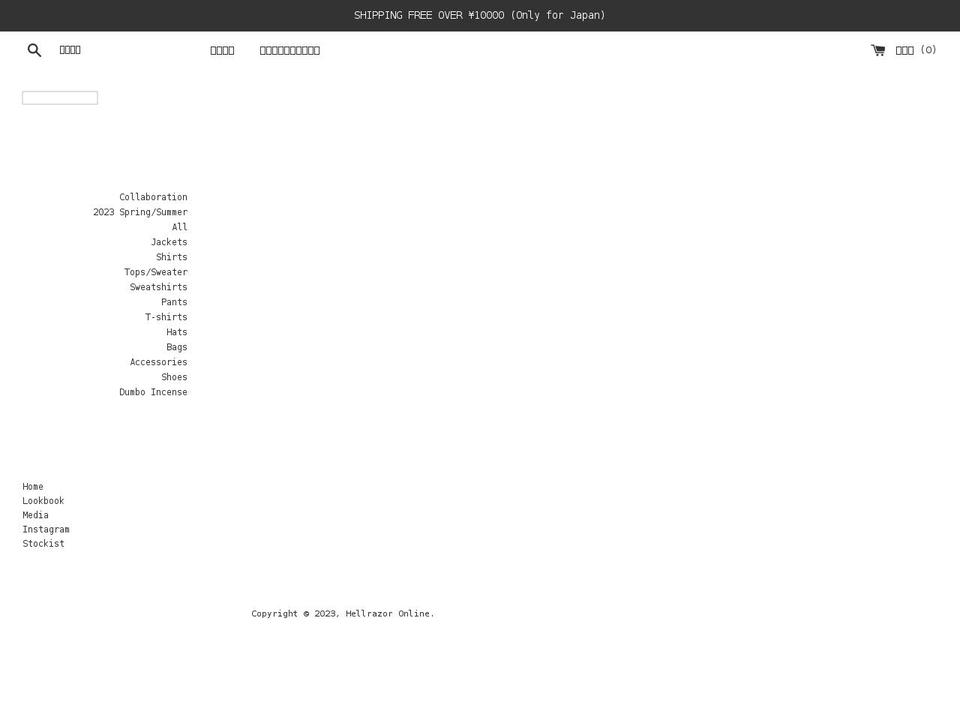



How we detect a store’s language
The language of a storefront is not published as a single field, so it is inferred from what the page itself declares: the <html lang> attribute, hreflang annotations, the language of the default theme content and the locale settings exposed by the theme and checkout. When a store publishes several languages, we record the language of the default (non-prefixed) storefront as its primary language.
That makes this list a list of stores whose default storefront is in Japanese, not a list of every store that offers Japanese as an option. Stores with language subfolders are counted once, under the default language.
What to look for
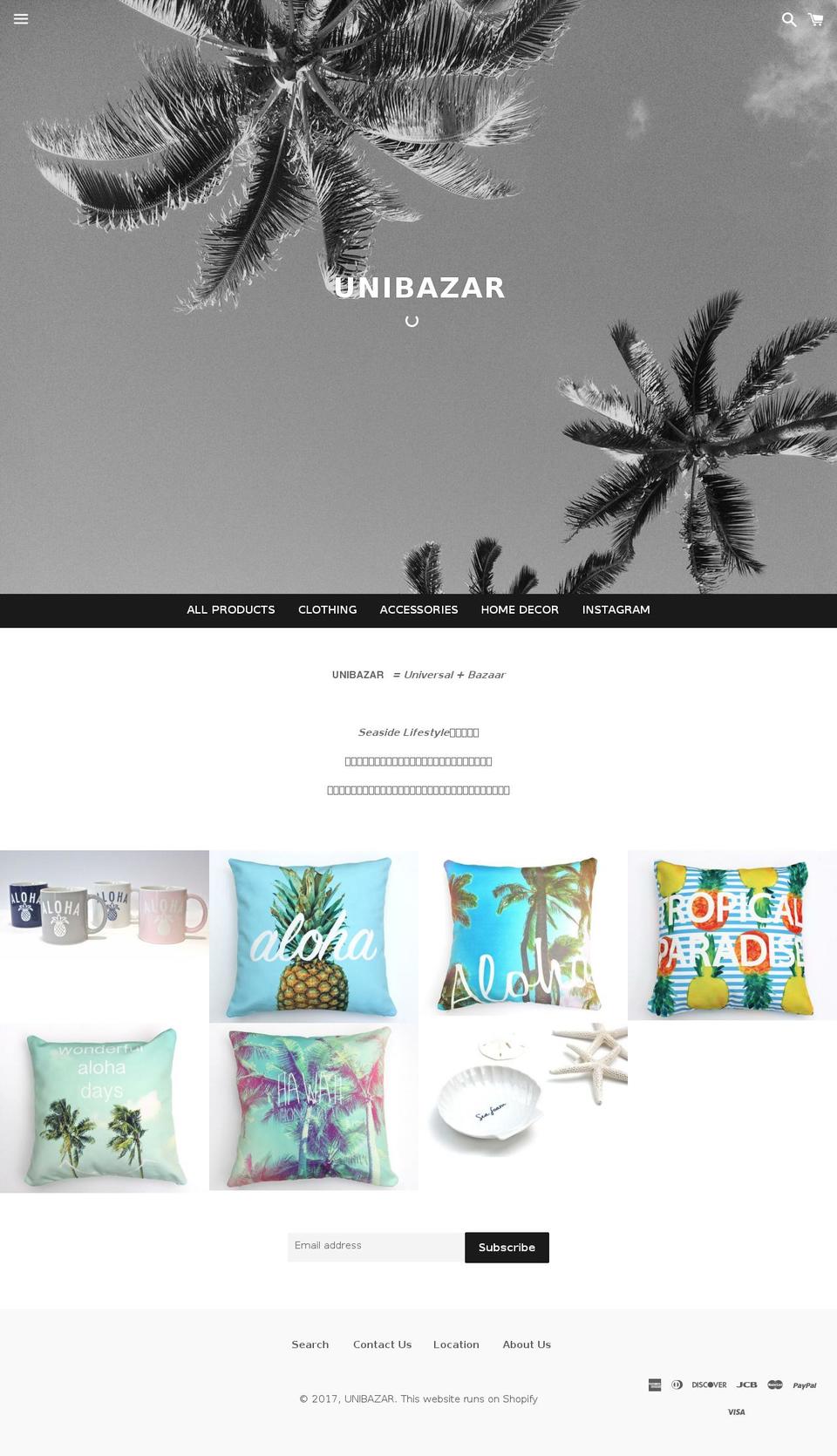
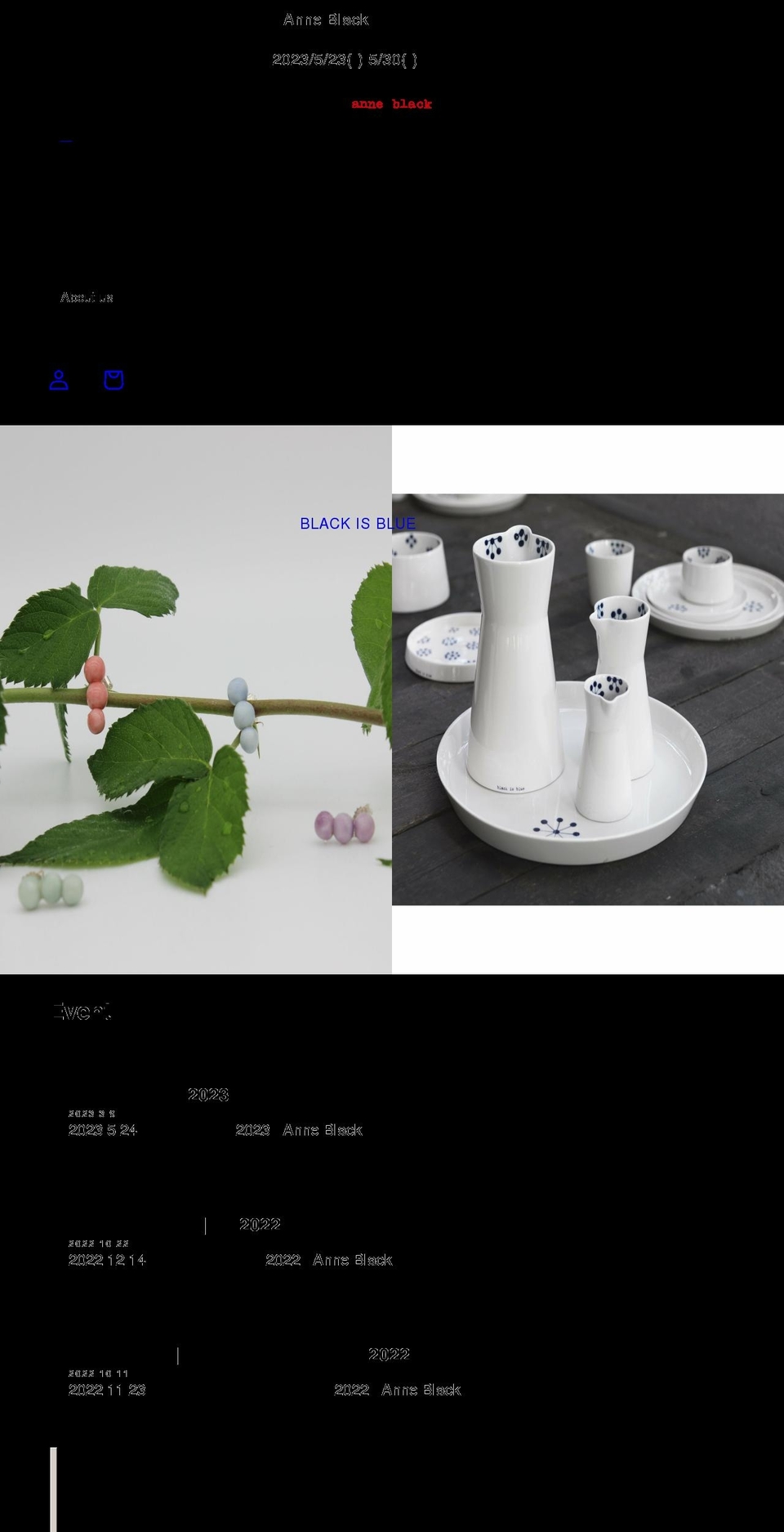
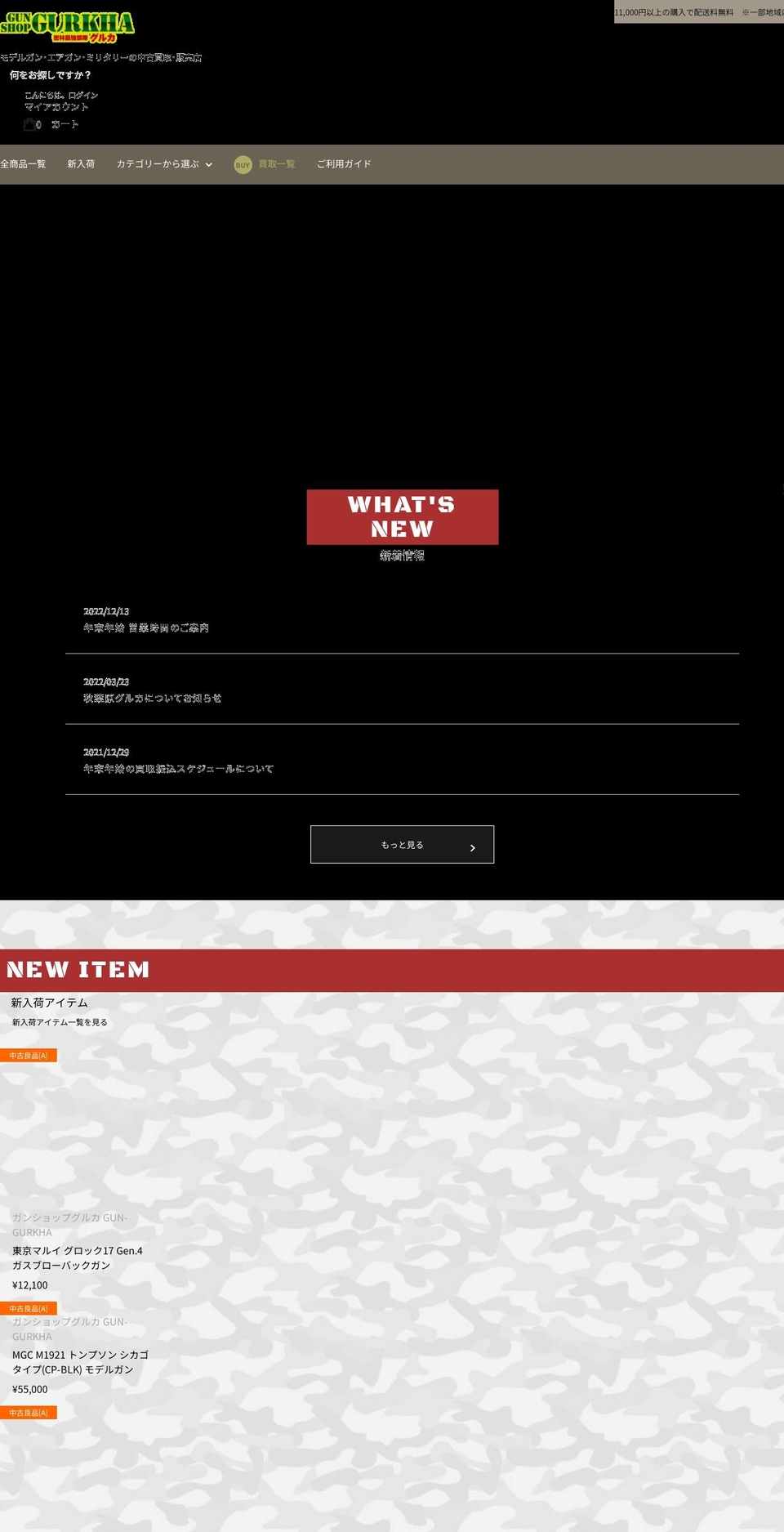
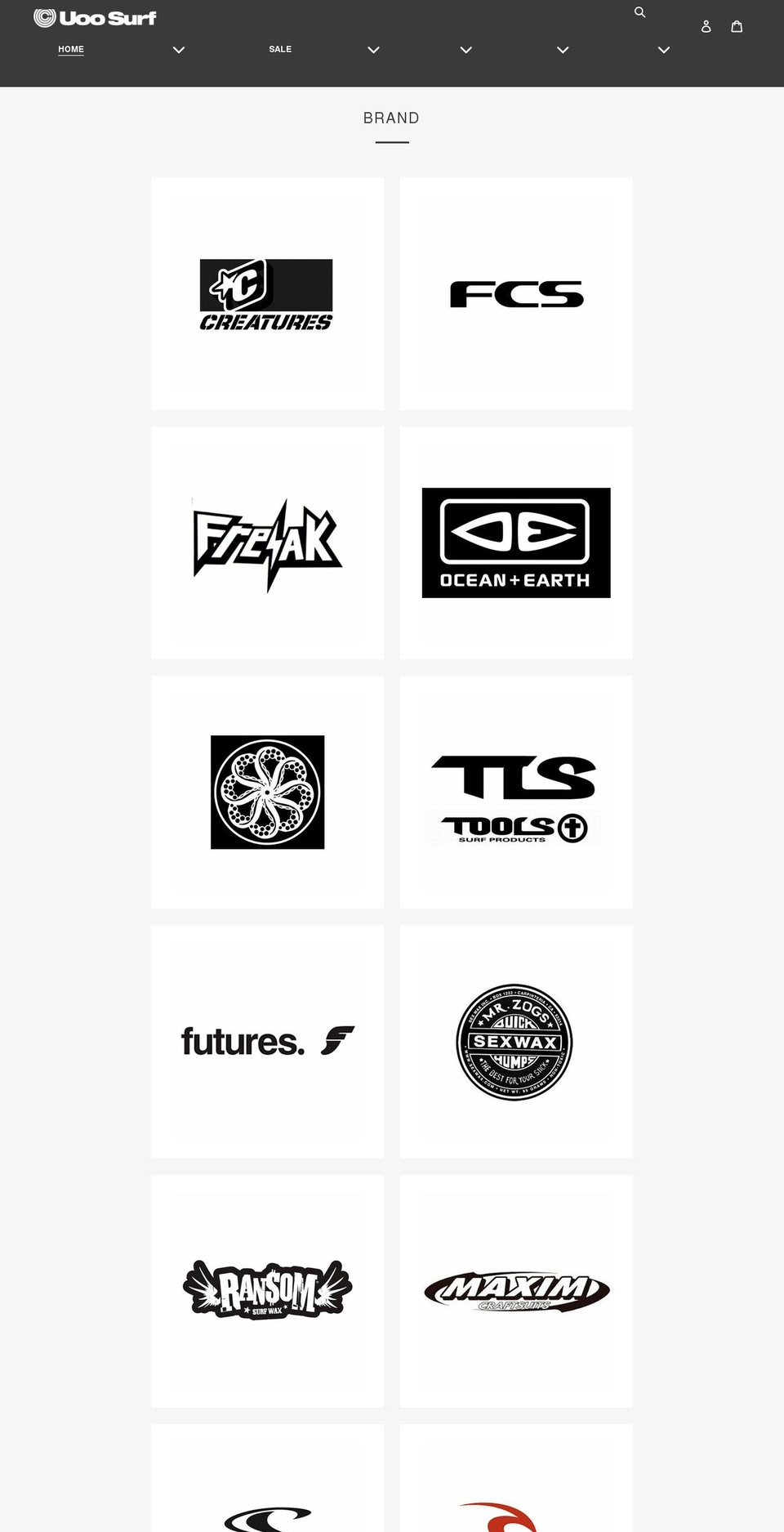
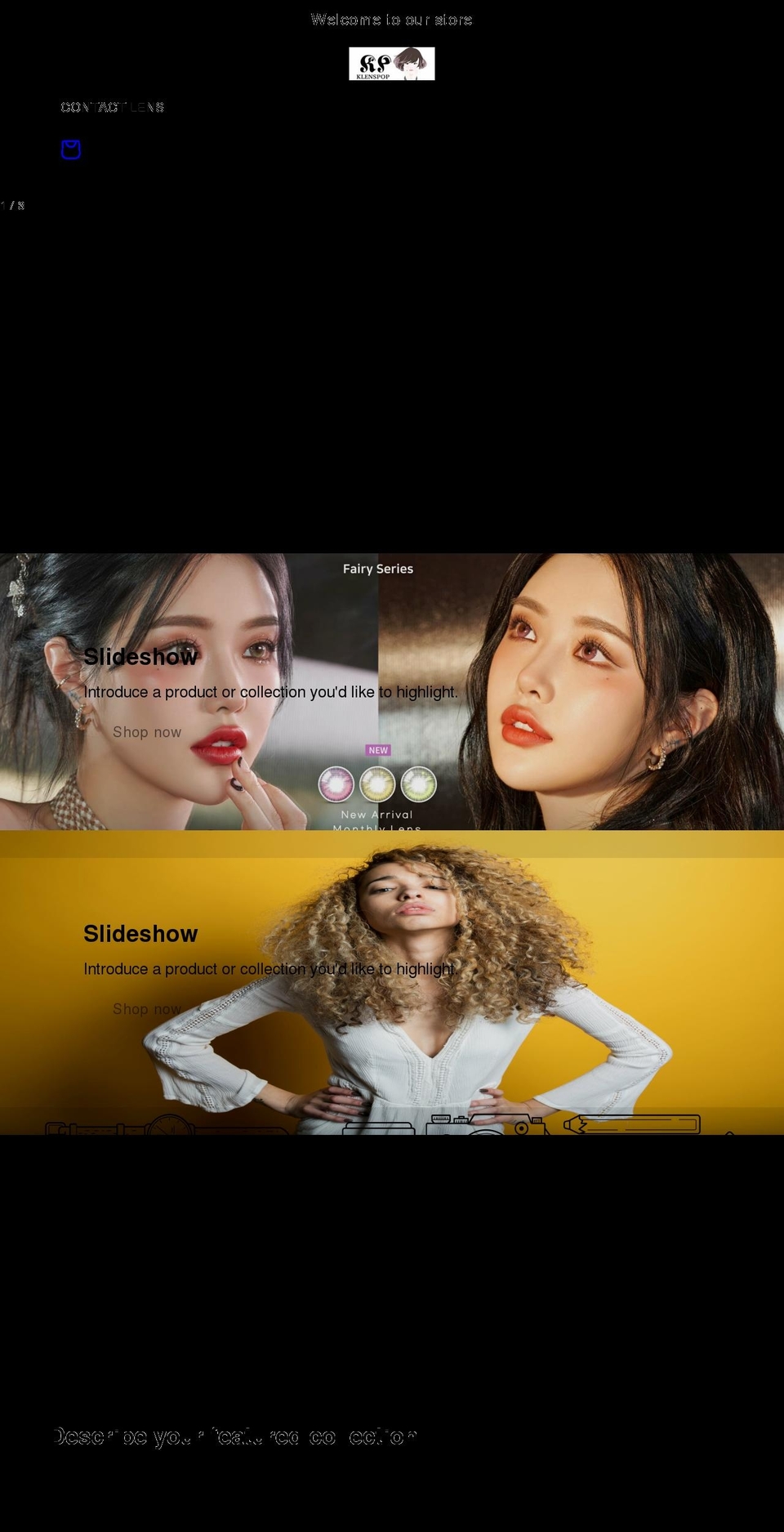
The screenshots and theme labels show how stores in this language group present themselves. English storefronts, for example, mix global brands with small local shops that simply kept the default theme language, while non-English lists tend to be more consistently local. Comparing the theme mix across languages is a quick way to see which designs travel well and which stay regional.
To compare languages against each other, use the language ranking. For the geography side, see the country breakdown, and for design patterns, browse the theme ranking.
Frequently asked questions
Why is English the default for so many stores?
English is the default language of most themes and of Shopify’s onboarding, and it is the safest choice for cross-border selling. Many merchants keep an English storefront even when their main audience speaks another language.
Are regional variants counted separately?
Yes, where the storefront declares them: en-US and en-GB, pt-BR and pt-PT, zh-CN and zh-TW are distinct locales. This page covers the base Japanese locale shown in its header.
Why do some stores show a placeholder image?
We capture a screenshot of every storefront we index, but a small number of sites block automated capture, time out or change too often. Those keep a placeholder until the next capture succeeds.