Shopify stores in the .nagoya domain zone
3 Shopify websites use the .nagoya zone — about 0.0% of all sites with a known zone. It is a generic zone, so stores here can be based anywhere in the world. Ordered by estimated traffic rank.
What the .nagoya zone tells you
The domain zone is the last part of a store’s address — the .nagoya in example.nagoya. It is one of the few signals a merchant picks deliberately. A generic zone like .nagoya can be registered by anyone, so it says more about positioning than about location — a .nagoya store may sell globally or to a single city.
Each storefront is counted under the zone its domain uses. Stores running several domains appear in several zones, which is why the totals across zones are higher than the number of unique stores.
What to look for
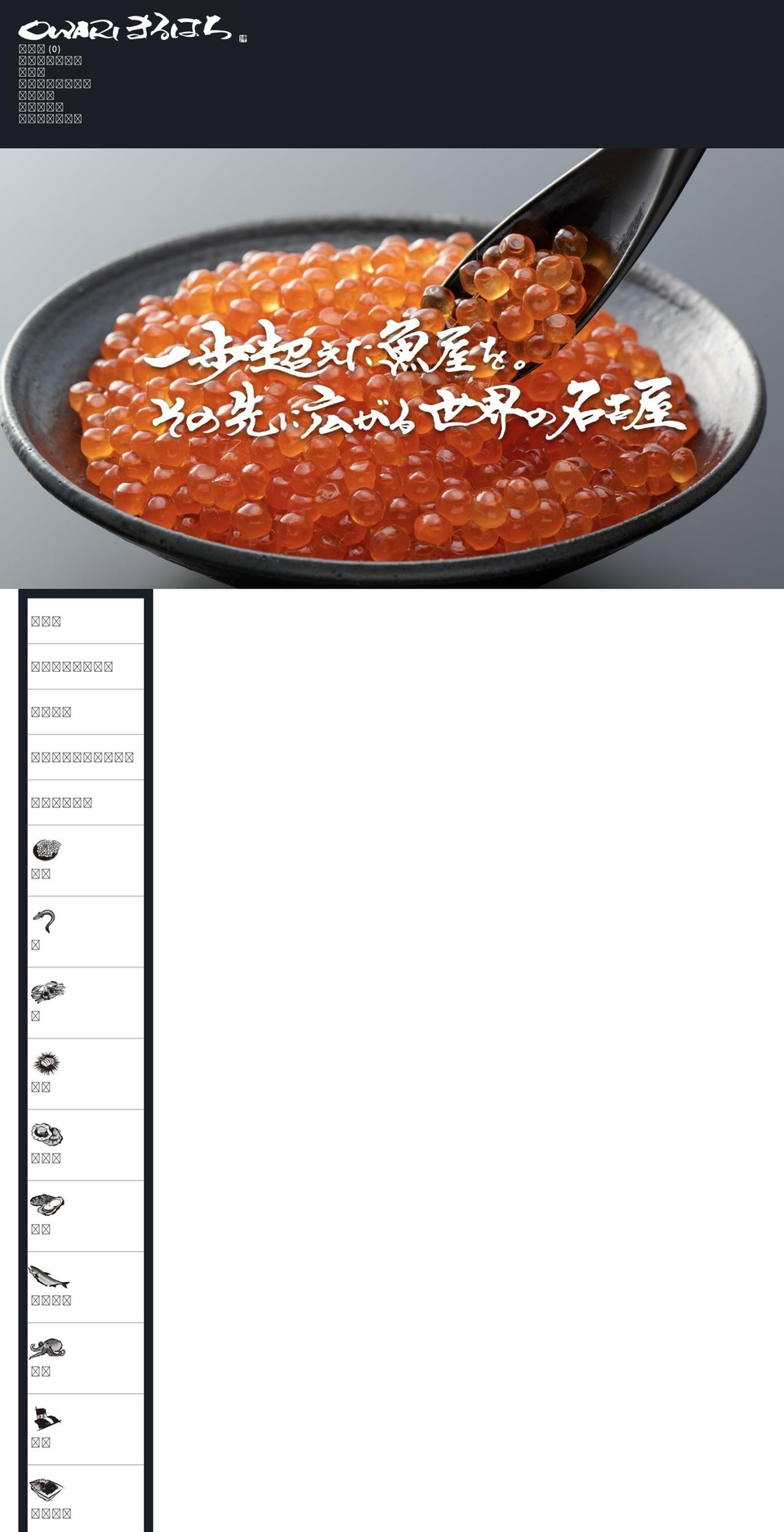
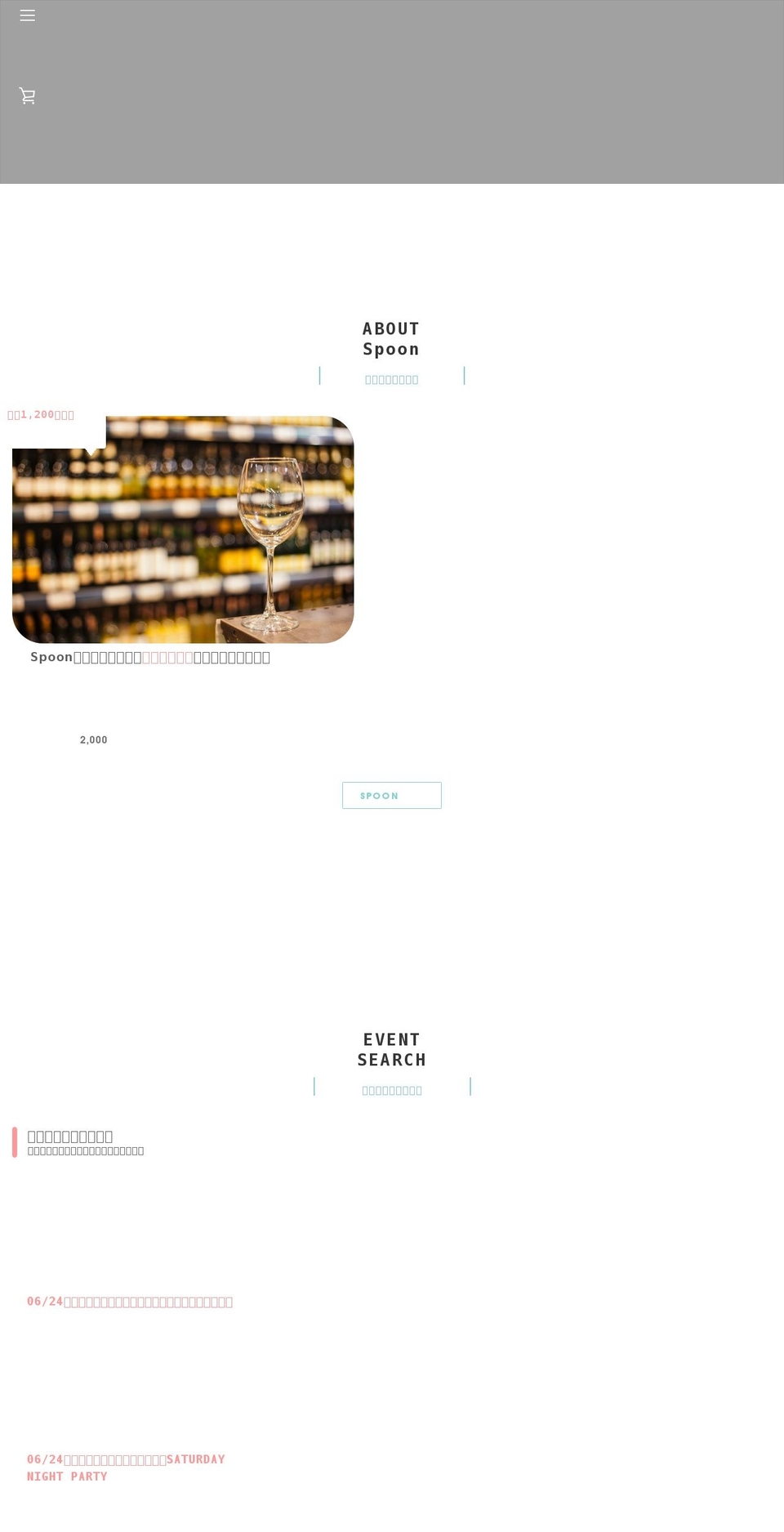
The screenshots and theme labels show which designs are typical for this zone. Generic zones mix global brands, dropshipping stores and small local shops, so the theme spread is usually wider. Opening a store page adds its country, language, currency and full theme details.
To compare this zone with others, go back to the domain zone ranking, or cross-check with the country and language breakdowns.
Frequently asked questions
Does a .nagoya domain mean the store is based in that country?
No. Generic zones are open to registrants worldwide and carry no location requirement.
Why are there more websites here than stores?
Because a store can use several domains. Each domain is counted in its own zone, so sums across zones exceed the number of unique stores.
How often is this list updated?
It is refreshed with the rest of the store index. Generic zones change slowly; national zones and newer extensions can move as stores rebrand or add markets.